
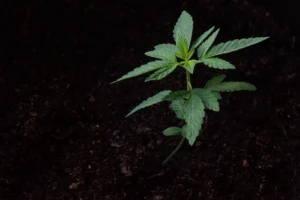
Selecting the right type of cannabis plant is a crucial decision for growers. Autoflowering and photoperiod cannabis strains each offer unique advantages and considerations, impacting cultivation methods, harvest timelines, yields, and overall plant management. This guide helps growers make an informed decision by thoroughly exploring the differences between autoflower and photoperiod cannabis plants.
What Are Autoflower Cannabis Plants?
Autoflowering cannabis strains automatically transition from the vegetative stage to the flowering stage based on age rather than light cycles. Derived from Cannabis ruderalis genetics, these plants flower rapidly, typically within 8-12 weeks from seed to harvest.
Advantages of Autoflowering Strains
- Rapid Harvest: Quick turnaround, often 8-12 weeks, ideal for multiple harvests per year.
- Ease of Growth: Require less precise management of light cycles, ideal for beginners.
- Compact Size: Small and discreet, perfect for limited grow spaces or stealth cultivation.
- Resistance to Conditions: Generally more resilient to harsh environments and temperature fluctuations.
Disadvantages of Autoflowering Strains
- Limited Yields: Typically produce smaller harvests compared to photoperiod plants.
- Reduced Potency: Historically lower THC levels, though modern breeding has significantly improved potency.
- Less Control: Limited manipulation options like pruning, topping, or training techniques due to short growth cycles.
If you want fast harvests with minimal effort, check out our full Autoflower Cannabis Seeds collection
Understanding Photoperiod Cannabis Plants
Photoperiod cannabis plants rely on specific lighting schedules to trigger flowering. Typically, these plants flower when exposed to a 12-hour dark cycle and a 12-hour light cycle.
Advantages of Photoperiod Strains
- Higher Yields: Typically offer substantially larger harvests due to extended vegetative periods.
- Potency Potential: Often provide higher THC and cannabinoid content, favored by growers seeking potency.
- Greater Control: Allow for extensive training, pruning, and shaping to optimize yield and canopy management.
- Strain Diversity: A wider variety of strains available, giving more flexibility in selecting preferred traits.
Disadvantages of Photoperiod Strains
- Longer Grow Cycles: Extended vegetative and flowering phases, generally leading to longer harvest timelines.
- Complexity: Requires precise control over lighting schedules and environmental conditions.
- Space and Resource Intensive: Larger plants demand more room and greater resource input such as water, nutrients, and lighting.
For growers who prefer full control and larger yields, explore our Feminized Photoperiod Seeds selection
Key Factors in Deciding Between Autoflower and Photoperiod
Grow Space and Environment
- Small, discreet spaces or stealth setups favor autoflower strains.
- Larger, controlled environments benefit from photoperiod strains.
Grower’s Experience Level
- Beginners often find autoflower plants simpler and less prone to errors.
- Experienced growers may prefer photoperiod plants for their flexibility and higher yield potential.
Desired Harvest and Yield Goals
- Frequent, rapid harvests align better with autoflower strains.
- Larger, higher-quality yields are achievable with photoperiod strains.
Available Resources
- Autoflower plants require fewer resources and less precise lighting control.
- Photoperiod strains necessitate meticulous resource management for optimal results.
Recommendations for Growers
- Beginner Growers: Autoflower plants are generally recommended for their simplicity, resilience, and quick harvest.
- Experienced Growers: Photoperiod plants offer greater potential for customization, training, and optimizing yield and potency.
- Commercial Operations: Photoperiod plants typically yield greater harvests and higher quality, suitable for large-scale cultivation.
How to Choose Between Autoflower and Photoperiod Cannabis Plants
- Decide Your Harvest Timeline
Autoflowers are ready in 8–10 weeks.
Photoperiods take longer but offer bigger yields. - Consider Your Experience Level
Beginners should lean toward autoflowers (easier, less light management).
Experienced growers may prefer photoperiods for control and yield. - Check Your Grow Space
Autoflowers are smaller and fit well in tight spaces.
Photoperiods grow larger and need more vertical space. - Review Your Lighting Setup
Autoflowers don’t require a strict light cycle 18/6 or even 24 hour light (they flower automatically).
Photoperiods require 12/12 light cycle changes to trigger flowering. - Match to Your Growing Goals
Autoflowers = fast, simple, reliable.
Photoperiods = higher yields, more control, longer cycles.
Tip: If you’re unsure, start with autoflowers to build confidence, then try photoperiods once you’re comfortable managing light cycles.
Conclusion
The choice between autoflower and photoperiod cannabis plants ultimately hinges on individual goals, resources, grow space, and experience. Understanding the strengths and limitations of each type empowers growers to make informed decisions tailored specifically to their cultivation ambitions and circumstances, ultimately leading to successful, productive, and rewarding cannabis cultivation.